Sosoactive education represents a new and innovative approach to learning that blends technology, engagement, and creativity in the digital classroom. In today’s fast-changing world, traditional learning methods are no longer enough to prepare students for the challenges of modern society. Digital transformation has reshaped how information is delivered, understood, and applied. As a result, education systems around the world are embracing more interactive and student-centered models.
Sosoactive education focuses on creating an environment where learners actively participate rather than passively receive information. Instead of relying solely on textbooks or lectures, students interact with multimedia tools, collaborative platforms, and digital resources that make learning more dynamic. This approach encourages curiosity, improves comprehension, and allows learners to develop practical skills that are relevant to real-world situations.
The digital classroom has become an essential part of modern education, and this approach helps bridge the gap between traditional teaching methods and innovative learning technologies.
Understanding the Concept of Modern Digital Classrooms
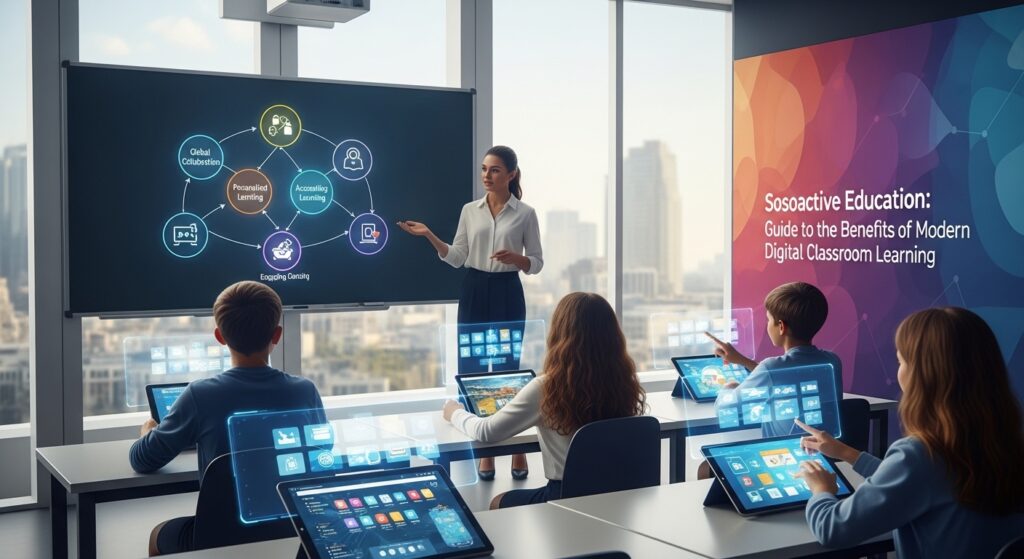
A digital classroom is an educational environment where technology supports teaching and learning processes. It integrates devices such as laptops, tablets, smart boards, and online platforms to create an interactive learning experience. Within this setting, sosoactive education emphasizes collaboration, creativity, and personalized learning.
Modern classrooms are no longer limited to physical spaces. Students can participate in lessons from different locations through online platforms and virtual learning tools. Teachers can share resources instantly, monitor progress, and adjust teaching methods based on individual student needs.
This type of learning environment encourages participation through discussions, digital projects, and real-time feedback. Students become active contributors to the learning process rather than passive listeners. As a result, they develop critical thinking skills and gain a deeper understanding of the subjects they study.
How Interactive Learning Improves Student Engagement
One of the most important advantages of sosoactive education is the way it increases student engagement. When learners interact with content through videos, simulations, quizzes, and collaborative tasks, they become more involved in the learning process.
Traditional lecture-based teaching can sometimes make students lose interest, especially in long sessions. Interactive learning solves this problem by incorporating activities that require participation. For example, digital tools allow students to answer questions instantly, work on group assignments online, or explore virtual models that explain complex concepts.
This active involvement keeps students focused and motivated. It also allows teachers to identify learning gaps more quickly. When students participate actively, they retain information better and feel more confident in applying their knowledge.
Another important factor is that interactive learning supports different learning styles. Some students learn best through visuals, others through reading or hands-on activities. Digital classrooms can combine all these methods, ensuring that every student has an opportunity to understand the material effectively.
Key Benefits of Sosoactive Education in the Digital Era
The digital era demands new skills and innovative approaches to education. Sosoactive education offers several benefits that support both academic success and personal development.
One of the major advantages is accessibility. Students can access educational materials anytime and from anywhere. Online platforms allow learners to review lessons, watch recorded lectures, and explore additional resources beyond the classroom.
Another important benefit is collaboration. Digital tools enable students to work together on projects even if they are in different locations. This collaborative environment helps them develop teamwork skills that are essential in modern workplaces.
Personalized learning is another key strength of this approach. Teachers can track student performance through digital systems and adapt lessons according to individual progress. Students who need extra help can receive additional resources, while advanced learners can explore more challenging topics.
The use of multimedia also enhances understanding. Complex ideas can be explained through animations, diagrams, and interactive demonstrations that make learning more engaging and easier to understand.
Role of Technology in Transforming Education
Technology plays a central role in shaping modern educational systems. With the growth of digital tools, learning has become more flexible, accessible, and efficient. Sosoactive education integrates these technologies to create a balanced learning environment where students develop both knowledge and practical skills.
Online learning platforms allow teachers to organize course materials, assignments, and assessments in one place. Students can track their progress and receive feedback quickly. Video conferencing tools also enable real-time interaction between teachers and students, making remote learning more effective.
Artificial intelligence and learning analytics are also becoming part of modern education. These technologies help analyze student performance and identify areas where improvement is needed. As a result, teachers can provide targeted support that improves learning outcomes.
Virtual reality and simulation tools are another exciting development. They allow students to explore scientific experiments, historical locations, or complex processes in a virtual environment. This immersive experience helps learners understand concepts that might otherwise be difficult to visualize.
Developing Critical Skills Through Interactive Learning
Modern education must prepare students for a world that values creativity, adaptability, and problem-solving. Sosoactive education supports the development of these critical skills by encouraging active participation and exploration.
Critical thinking is one of the most important skills developed through interactive learning. When students analyze information, ask questions, and participate in discussions, they learn to evaluate ideas and form independent opinions.
Communication skills also improve in digital classrooms. Students often collaborate on projects, present their ideas online, and participate in group discussions. These activities help them express their thoughts clearly and confidently.
Another important skill is digital literacy. In a technology-driven world, students must understand how to use digital tools responsibly and effectively. By working with online platforms and educational technologies, learners gain valuable experience that prepares them for future careers.
Problem-solving abilities also grow through project-based learning and interactive activities. Students face challenges that require creative thinking and teamwork, helping them develop practical solutions.
Challenges and Solutions in Digital Learning
Although digital classrooms offer many benefits, they also present certain challenges. One of the main concerns is access to technology. Not all students have reliable internet connections or digital devices at home. Educational institutions must work to ensure equal access so that every learner can benefit from modern learning tools.
Another challenge is maintaining student focus in online environments. Without proper guidance, some learners may become distracted. Teachers play an important role in designing interactive lessons that keep students engaged and motivated.
Training for educators is also essential. Teachers must learn how to use digital tools effectively and integrate them into their teaching strategies. Professional development programs can help educators build the necessary skills to create successful digital learning experiences.
Balancing screen time is another important factor. While technology is valuable for learning, students also need opportunities for offline activities such as reading, writing, and hands-on projects. A balanced approach ensures that technology enhances learning without overwhelming students.
Future of Sosoactive Education and Digital Classrooms
The future of education is closely connected to technological innovation and creative teaching methods. Sosoactive education is expected to continue evolving as new tools and strategies emerge.
Artificial intelligence may soon provide personalized learning paths for each student. Adaptive learning systems can analyze progress and automatically adjust lessons to match individual needs. This will make education more efficient and tailored to every learner.
Global collaboration will also become more common. Students from different countries can participate in shared projects, cultural exchanges, and virtual classrooms. This international perspective helps learners develop a broader understanding of the world.
Another important trend is the integration of real-world problem solving into education. Digital classrooms can connect students with industry experts, online workshops, and practical learning experiences that prepare them for future careers.
Educational institutions are also focusing on lifelong learning. As technology and industries change rapidly, people must continue learning throughout their lives. Interactive digital education makes it easier for individuals to update their skills and knowledge at any stage of their careers.
Conclusion
Sosoactive education is transforming the way students learn in modern digital classrooms. By combining technology, interaction, and personalized learning, it creates an environment where students are actively involved in their education. This approach not only improves academic performance but also helps learners develop important skills such as critical thinking, communication, and digital literacy.
The benefits of interactive learning extend far beyond the classroom. Students become more confident, creative, and prepared to face real-world challenges. While there are still challenges to address, the continued development of digital tools and educational strategies promises a bright future for modern learning systems.
As education continues to evolve, approaches like sosoactive education will play a key role in shaping the next generation of learners. By embracing innovation and focusing on student engagement, educators can create learning experiences that are meaningful, effective, and relevant to the demands of the digital age.