
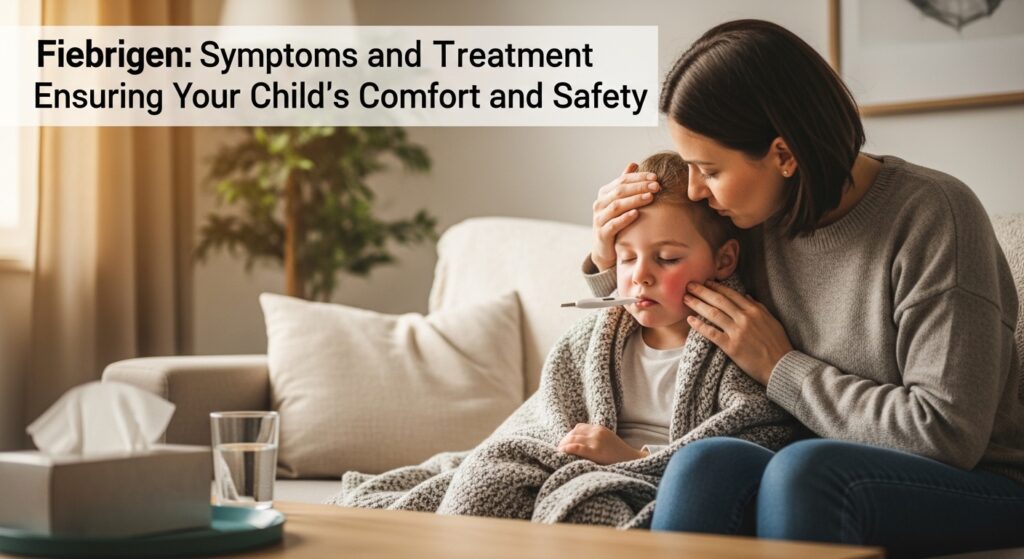
Fiebrigen is a term often used to describe a feverish condition in children. While it is not an illness itself, it signals that the body is responding to an infection or other underlying condition. Understanding fiebrigen, its symptoms, and how to manage it effectively is essential for parents who want to ensure their child’s comfort and safety. This comprehensive guide will cover everything from identifying signs of fiebrigen to practical treatment strategies and prevention measures.
What is Fiebrigen?
Fiebrigen refers to a feverish state in children, characterized by elevated body temperature and related discomfort. It is a symptom rather than a disease, indicating that the immune system is actively fighting off infections such as viral or bacterial illnesses. Recognizing fiebrigen early helps parents respond appropriately, preventing complications and supporting their child’s recovery.
A child experiencing fiebrigen may appear lethargic, irritable, or unusually quiet. Sometimes, fever is accompanied by other symptoms such as sweating, shivering, or loss of appetite. It is important for caregivers to remain calm and monitor the situation carefully while ensuring the child’s comfort.
Common Symptoms of Fiebrigen in Children
Recognizing fiebrigen symptoms early can make a significant difference in how effectively you manage your child’s condition. Some of the most common indicators include:
1. Elevated Body Temperature
The primary symptom of fiebrigen is a noticeable rise in body temperature. In children, a temperature above 100.4°F (38°C) usually indicates a fever. Temperatures can fluctuate throughout the day, and occasional spikes may occur during the night.
2. Irritability and Mood Changes
Children with fiebrigen often exhibit unusual irritability or fussiness. They may cry more than usual, resist normal activities, or appear restless. Understanding that these changes are part of the fever response can help parents manage the situation patiently.
3. Fatigue and Lethargy
Fiebrigen can make children feel weak and tired. They may prefer resting or sleeping more than usual, which is a natural part of the body’s recovery process. Ensuring adequate rest is critical to support the immune system.
4. Loss of Appetite
A child with fiebrigen may eat less than usual. While it is important to encourage hydration, forcing food is unnecessary unless advised by a healthcare professional. Nutrient-rich fluids can help maintain energy levels.
5. Chills and Sweating
Chills and episodes of sweating are common in children experiencing fiebrigen. These symptoms occur as the body regulates its temperature and tries to fight infection. Light clothing and a comfortable environment can help ease these symptoms.
6. Additional Signs
Depending on the underlying cause, fiebrigen may be accompanied by cough, vomiting, diarrhea, or body aches. Monitoring the child closely and noting any additional symptoms can assist healthcare professionals in providing accurate treatment.
Causes of Fiebrigen in Children
Understanding the causes of fiebrigen can help parents take appropriate action. The most common triggers include:
-
Viral Infections: Flu, common cold, and other viral illnesses often lead to a fever response.
-
Bacterial Infections: Ear infections, throat infections, and urinary tract infections may cause fiebrigen.
-
Immunizations: Some vaccines can temporarily cause a mild fever in children.
-
Overheating or Environmental Factors: Excessive clothing or a hot environment can sometimes lead to a feverish state.
It is important to remember that fiebrigen is the body’s natural response to an external factor, usually an infection, and is often beneficial in helping the immune system fight off pathogens.
When to Seek Medical Attention
While fiebrigen is often manageable at home, certain situations require immediate medical attention:
-
High Fever: Temperature above 104°F (40°C) or persistent fever for more than three days.
-
Severe Symptoms: Difficulty breathing, severe headache, persistent vomiting, or seizures.
-
Underlying Conditions: Children with chronic illnesses or weakened immune systems should be evaluated promptly.
-
Dehydration Signs: Dry mouth, reduced urination, or extreme lethargy.
Consulting a pediatrician ensures that the child receives the right treatment and reduces the risk of complications.
Home Care and Treatment for Fiebrigen
Most cases of fiebrigen in children can be managed at home with proper care and attention. Here are effective strategies to ensure comfort and support recovery:
1. Keep the Child Hydrated
Fever can lead to fluid loss, making hydration essential. Offer water, oral rehydration solutions, or clear soups to maintain fluid balance.
2. Ensure Rest and Comfort
Adequate rest allows the body to recover more efficiently. Provide a calm environment, soft bedding, and minimal noise to help the child relax.
3. Appropriate Clothing and Environment
Dress the child in lightweight clothing and maintain a comfortable room temperature. Avoid heavy blankets or excessive layers, which can trap heat and worsen discomfort.
4. Use Fever-Reducing Medication if Necessary
Pediatrician-recommended medications such as acetaminophen or ibuprofen can help reduce fever and ease discomfort. Always follow dosage instructions based on the child’s age and weight.
5. Monitor Symptoms
Keep a record of temperature, appetite, and other symptoms. Monitoring trends can help identify when medical intervention is needed.
6. Gentle Nutrition
Encourage light, easy-to-digest foods if the child is willing to eat. Nutrient-rich fluids such as soups or smoothies can provide energy without overwhelming the digestive system.
Prevention Tips for Fiebrigen
While it is not always possible to prevent fiebrigen, certain measures can reduce the risk or severity:
-
Hand Hygiene: Teach children to wash hands frequently to prevent infections.
-
Balanced Diet: Proper nutrition strengthens the immune system and supports overall health.
-
Vaccinations: Staying up to date with recommended vaccines reduces the risk of illness-related fever.
-
Avoid Overheating: Dress children appropriately for the weather and maintain a comfortable room temperature.
-
Prompt Medical Attention: Early treatment of infections can minimize fever duration and complications.
Supporting Your Child Emotionally
Fiebrigen can be stressful for both children and parents. Emotional support is just as important as physical care:
-
Reassure the child that they are safe and will feel better soon.
-
Stay calm and patient during periods of irritability or fussiness.
-
Engage in quiet activities or storytelling to keep the child comforted.
When Fiebrigen Signals Something Serious
In some cases, fiebrigen may indicate a more serious underlying condition. Persistent high fever, unusual rashes, breathing difficulties, or neurological symptoms should never be ignored. Consulting a pediatrician promptly ensures proper diagnosis and treatment.
Conclusion
Fiebrigen Symptoms and Treatment Ensuring Your Child’s Comfort and Safety is all about understanding that fever is a symptom, not a disease. By recognizing symptoms, providing proper care, and knowing when to seek medical help, parents can effectively manage fiebrigen in children. Prioritizing hydration, rest, and emotional support helps children recover comfortably and safely while reducing stress for caregivers. Understanding the body’s natural response and following practical treatment strategies ensures that fiebrigen remains manageable and does not escalate into serious health issues.