
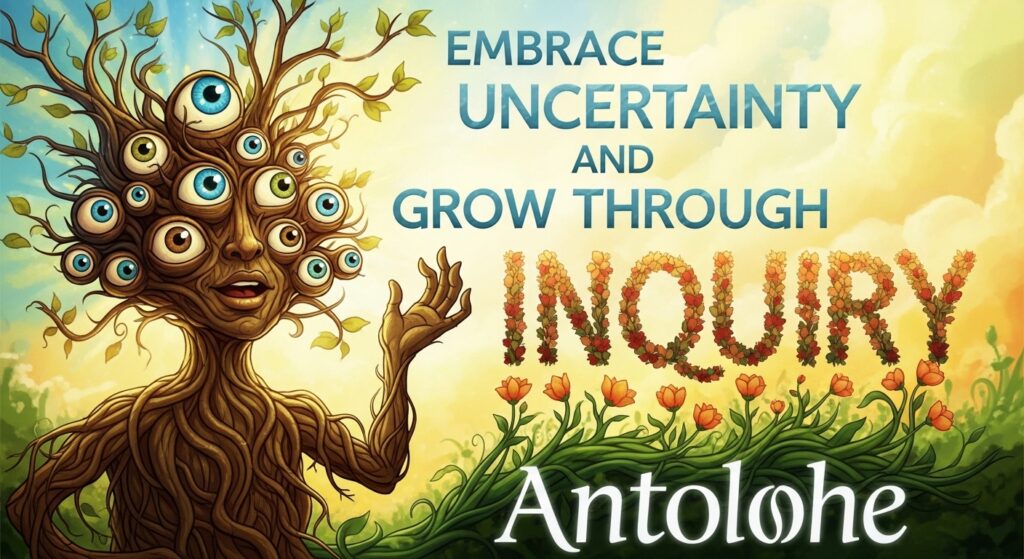
Antolohe is more than just a concept—it is a mindset that encourages embracing uncertainty and growing through inquiry. In a world where information is abundant but understanding is scarce, adopting antolohe can transform the way we learn, think, and navigate challenges. By cultivating curiosity and approaching unknowns with openness, individuals and organizations alike can foster creativity, innovation, and lifelong learning.
Understanding Antolohe
At its core, antolohe represents the willingness to explore the unknown, question assumptions, and embrace the learning process. Unlike traditional learning, which often emphasizes memorization and correctness, antolohe prioritizes inquiry and discovery. It invites us to consider possibilities rather than seeking immediate answers, transforming uncertainty from a source of anxiety into an opportunity for growth.
The concept of antolohe intersects with several psychological principles, including curiosity, resilience, and adaptive thinking. Curiosity drives the desire to seek new knowledge, resilience helps us cope with failure and ambiguity, and adaptive thinking allows us to adjust our approach based on new insights. Together, these qualities create a fertile ground for personal and professional growth.
Why Embracing Uncertainty Matters
In today’s fast-changing world, uncertainty is inevitable. From technological disruptions to shifting social dynamics, the ability to navigate unknowns effectively is a critical skill. Antolohe teaches us that instead of fearing uncertainty, we should view it as a catalyst for inquiry and growth. Embracing uncertainty allows us to:
-
Develop critical thinking skills
-
Enhance problem-solving abilities
-
Cultivate creativity and innovation
-
Build resilience and adaptability
By reframing uncertainty as an opportunity, antolohe transforms challenges into learning experiences, enabling us to approach life with curiosity rather than apprehension.
The Role of Inquiry in Antolohe
Inquiry is the backbone of antolohe. It involves asking meaningful questions, investigating possibilities, and reflecting on outcomes. Inquiry-based learning has been shown to improve comprehension, retention, and engagement, as it encourages active participation rather than passive absorption of information. By fostering inquiry, antolohe helps individuals develop a deeper understanding of complex subjects and encourages lifelong learning.
Some practical ways to incorporate inquiry into everyday life include:
-
Asking open-ended questions in discussions and meetings
-
Experimenting with new ideas and approaches
-
Reflecting on experiences and seeking lessons from failures
-
Engaging in research or exploration beyond one’s comfort zone
Through consistent practice, inquiry becomes a habit, allowing curiosity to drive personal and professional development naturally.
Antolohe in Personal Growth
Applying antolohe to personal growth requires embracing uncertainty in one’s life and seeking knowledge intentionally. This approach encourages exploration beyond familiar routines, enabling individuals to uncover hidden talents, interests, and passions. For example, learning a new skill, traveling to unfamiliar places, or engaging in thought-provoking conversations can all cultivate the antolohe mindset.
Furthermore, antolohe promotes self-awareness and emotional intelligence. By asking reflective questions and considering alternative perspectives, individuals can better understand their values, beliefs, and motivations. This heightened self-awareness can improve decision-making, relationships, and overall well-being.
Antolohe in Professional Development
In professional settings, antolohe encourages innovation and adaptability. Companies that foster a culture of inquiry and curiosity benefit from employees who are willing to experiment, challenge assumptions, and identify new opportunities. Antolohe-driven teams are better equipped to respond to market shifts, technological advancements, and complex challenges.
Professionals can apply antolohe by:
-
Embracing unfamiliar projects or roles
-
Asking insightful questions during problem-solving sessions
-
Seeking continuous feedback and learning from it
-
Exploring cross-disciplinary knowledge to inspire creativity
By integrating antolohe into workplace practices, organizations create an environment where learning is continuous and growth is sustainable.
The Science Behind Antolohe
Research in neuroscience and psychology supports the benefits of cultivating curiosity and embracing uncertainty. Studies show that curiosity activates brain regions associated with reward and learning, enhancing memory and comprehension. Additionally, embracing uncertainty has been linked to increased cognitive flexibility, allowing individuals to adapt strategies when faced with complex challenges.
Antolohe aligns with the growth mindset, a concept popularized by psychologist Carol Dweck, which emphasizes the belief that abilities and intelligence can be developed through effort and learning. Both frameworks encourage openness, experimentation, and resilience, providing a solid foundation for lifelong development.
Practical Tips to Cultivate Antolohe
Implementing antolohe in daily life does not require radical changes. Small, intentional practices can foster curiosity and inquiry:
-
Ask “Why” and “What If” Questions: Challenge assumptions and explore alternative possibilities.
-
Embrace Mistakes: View failures as learning opportunities rather than setbacks.
-
Read Widely and Diversely: Exposure to new ideas broadens perspectives and stimulates curiosity.
-
Reflect Regularly: Journaling or meditation can help process experiences and insights.
-
Engage with Diverse Communities: Interacting with different viewpoints nurtures open-mindedness.
Consistency in these practices reinforces the antolohe mindset, transforming uncertainty into a source of motivation and discovery.
Overcoming Barriers to Antolohe
Despite its benefits, many individuals struggle with embracing uncertainty. Fear of failure, rigid thinking, and societal pressures often hinder curiosity. Overcoming these barriers requires self-compassion, patience, and a willingness to experiment without judgment. Antolohe teaches that the process of inquiry itself is valuable, even when immediate answers are elusive.
By gradually embracing uncertainty and practicing inquiry, individuals can build confidence in their ability to navigate ambiguity. Over time, this mindset becomes second nature, enabling growth in both personal and professional spheres.
Antolohe as a Lifelong Journey
Antolohe is not a destination but a continuous journey of exploration, reflection, and growth. Every question asked, every experiment tried, and every lesson learned contributes to a deeper understanding of oneself and the world. By committing to this journey, individuals can cultivate a resilient, curious, and adaptable mindset that thrives in uncertainty.
Whether in learning new skills, advancing a career, or navigating life’s challenges, antolohe provides a framework for approaching experiences with openness and curiosity. It reminds us that growth often emerges from the unknown, and that the willingness to explore uncertainty is one of the most valuable skills we can develop.
Conclusion
Antolohe: Embrace uncertainty and grow through inquiry is more than a guiding principle—it is a transformative mindset. By fostering curiosity, embracing ambiguity, and prioritizing inquiry, individuals can unlock personal and professional growth. In a world characterized by rapid change and complexity, antolohe offers a path to understanding, creativity, and resilience. Embracing this mindset allows us to view uncertainty not as a threat but as a fertile ground for discovery, innovation, and lifelong learning.