
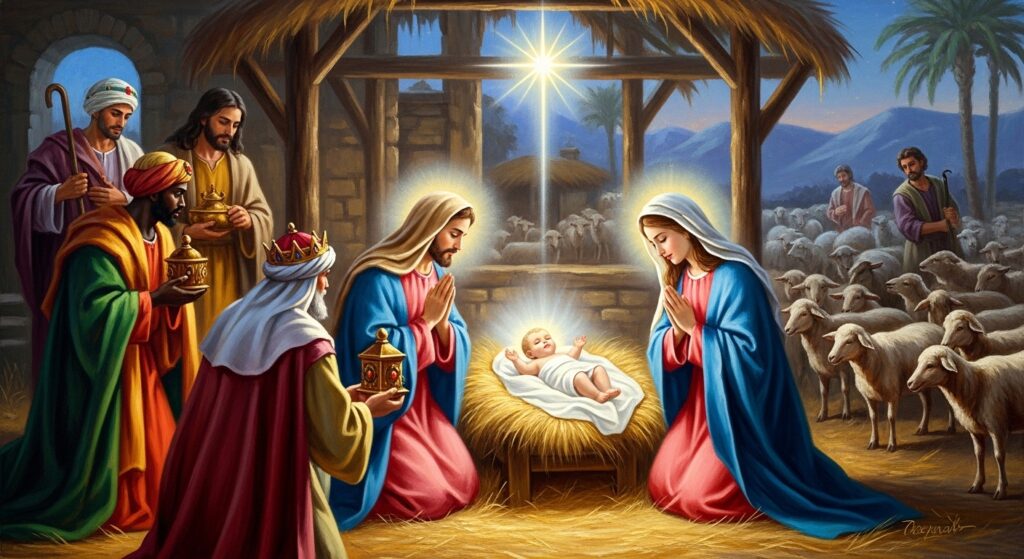
The concept of Nativität, or the Nativity, is a profound and cherished element in Christian tradition. It marks the miraculous birth of Jesus Christ, an event that holds deep spiritual significance for millions around the globe. But what does Nativität truly mean? Why is this moment revered not just as a historical account but also as a pivotal celebration within various cultures? Join us on this journey to explore the heartwarming story behind Jesus’ birth, its cultural context, and how it continues to inspire joy and hope today. Whether you’re familiar with the nativity scene or discovering its meaning for the first time, there’s something here for everyone to appreciate about this timeless event.
The Biblical account of Jesus’ birth
The Biblical account of Jesus’ birth is a cornerstone of the Christian faith. This narrative, primarily found in the Gospels of Matthew and Luke, presents a miraculous event that changed history.
Mary, a young virgin, receives an angelic message announcing she will conceive through the Holy Spirit. Her acceptance signifies deep faith and courage. Joseph, her betrothed, grapples with disbelief but ultimately embraces his role as protector.
They travel to Bethlehem for a census. With no room at inns, they find solace in a humble stable where Jesus is born. The simplicity of His birthplace underscores the profound nature of this event.
Angels announce His arrival to shepherds in nearby fields, symbolizing hope reaching even the lowly and marginalized. Their journey to witness the newborn King reflects joy and divine guidance.
This story resonates deeply within Christianity; it captures themes of humility, faithfulness, and God’s transformative love entering human history.
The cultural and historical context of Nativität
The concept of Nativität is deeply rooted in the cultural and historical fabric of society. Emerging from a time when Roman rule dominated Judea, it reflects both conflict and hope.
In this period, diverse traditions mingled. The Jewish community held onto their customs while Greek and Roman influences seeped into daily life. This melting pot set the stage for Jesus’ birth, intertwining various beliefs.
Nativität also coincided with winter solstice celebrations across cultures. Many regions celebrated light’s return during this dark season. The story of Jesus’ birth brought forth themes of light amid darkness, resonating powerfully with people facing uncertainty.
Artistic expressions began to flourish around this narrative too. From ancient mosaics to modern nativity scenes, artists have captured the essence of Nativität throughout history—each interpretation reflecting its contemporary milieu while honoring the original tale’s significance.
The religious significance of the birth of Jesus
The birth of Jesus, celebrated as Nativität, holds profound religious significance for Christians worldwide. It marks the incarnation of God in human form. This event symbolizes hope and redemption.
For believers, Jesus’ arrival fulfills ancient prophecies from the Old Testament. These prophecies set a foundation for understanding his role as the Messiah. His birth signifies not just a moment in time but the beginning of divine salvation.
Moreover, Nativität emphasizes themes of humility and love. Born in a stable rather than a palace, Jesus embodies simplicity and accessibility. This humble start reminds followers that greatness often comes from unexpected places.
The narrative encourages compassion towards others. It invites believers to reflect on their values and actions during this sacred season. Through stories shared across generations, the essence of Nativität continues to inspire faith and devotion among millions today.
Celebrating Nativität around the world
Nativität is celebrated in diverse ways across the globe, reflecting local traditions and cultures.
In Mexico, Las Posadas reenacts Mary and Joseph’s search for shelter. Colorful processions fill the streets with music and joy.
In Italy, vibrant Christmas markets come alive with food stalls and handmade crafts during this season. The famous nativity scenes or “presepi” are meticulously crafted in homes.
Meanwhile, Scandinavian countries embrace a cozy atmosphere filled with candlelight. Families gather around to share stories of Jesus’ birth while enjoying traditional dishes.
In Ethiopia, Nativität falls on January 7th. It features a day-long fast followed by jubilant church services celebrating Christ’s arrival.
Each celebration weaves together faith, culture, and community spirit. Through these unique customs, the essence of Nativität remains universal—joy at the gift of life and love that transcends borders.
How Nativität is observed in different Christian denominations
Different Christian denominations have their own unique ways of observing Nativität. For Catholics, the celebration often includes Midnight Mass on Christmas Eve. The lighting of candles and the singing of hymns create a reverent atmosphere.
Protestants may focus on reading biblical passages about Jesus’ birth during worship services. Many also incorporate festive traditions, such as Advent calendars, leading up to Nativität.
Eastern Orthodox Christians celebrate with rich rituals that span multiple days. Their emphasis is on the Nativity Fast, culminating in a joyous feast filled with traditional foods and communal gatherings.
Anglican communities frequently blend liturgical elements with local customs. They might hold carol services or nativity plays that engage both young and old in storytelling.
Each denomination brings its distinct flavor to this sacred celebration, enriching the tapestry of Christian tradition surrounding Nativität.
Conculsion
The significance of Nativität transcends time and culture. It embodies hope, joy, and the promise of salvation. As we celebrate the birth of Jesus Christ, we are reminded of the profound impact this event has had on humanity.
Throughout history, Nativität has been a focal point for Christians worldwide. From humble nativity scenes to grand church services, each tradition adds its unique flavor to this sacred celebration. The stories shared around this time unite believers in faith and love.
As we embrace the spirit of Nativität, it becomes clear that its meaning goes beyond mere ritual. It invites reflection on our own lives and encourages us to spread goodwill and compassion throughout our communities.
Whether through family gatherings or community events, celebrating Nativität continues to inspire generations. It’s not just about honoring a historical moment; it’s about fostering connections with one another as we commemorate this miraculous birth together.